
The Ultimate Guide to Ricoh Supplies: Toner, Drums, Recycling & Cost-Saving Tips
Ricoh supplies include genuine ink, toner, parts, and replacement components designed to deliver outstanding printer and multifunction printer performance. These printing consumables form the foundation of reliable printing for offices worldwide. Understanding what you need, when to replace parts, and how to avoid common mistakes can save your business money while maintaining print quality. This guide covers everything from choosing the right toner cartridges to recycling programs and detecting counterfeit products.
What Ricoh Supplies Include and Why They Matter
Ricoh supplies go beyond basic toner cartridges. Your printer relies on multiple components working together as part of a complete imaging system.
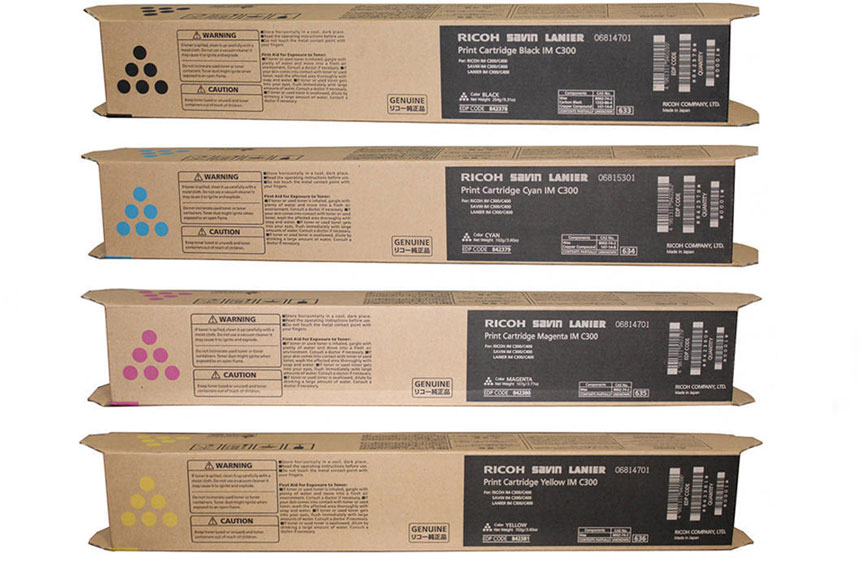
The Ricoh lineup includes toner cartridges in black, cyan, magenta, and yellow, OPC drum units (photoconductors), developer units, and essential maintenance kits. Each part plays a specific role in producing clear prints. Toner provides the pigment for your documents. The drum unit (also called a photoconductor) transfers that toner onto paper using electrostatic charges. The photosensitive drum forms an image during the printing process, with its quality determining printing quality to a large extent. Developer units help distribute toner evenly across the drum surface. Maintenance kits contain parts like fuser units and transfer rollers that need periodic replacement to prevent paper jams and print defects.
Using genuine Ricoh parts ensures top performance and exceptional reliability for your device. When you use third-party supplies (the opposite of OEM products), you risk poor print quality, equipment damage, and voided warranties. The precision engineering of authentic parts matches your specific printer model, creating the chemistry and mechanics needed for consistent results. These OEM consumables represent the manufacturer’s original specifications rather than aftermarket alternatives.
Why Using Genuine Ricoh Supplies Matters
The difference between genuine and imitation supplies shows up quickly in your print quality and equipment lifespan.
Counterfeit products can cause the printer itself to malfunction, with output quality issues and device defects occurring. Fake toner often contains inferior materials that produce faded prints, smudges, or streaks. High-quality toner ensures sharp text and vibrant images, especially for color-rich applications like brochures and packaging. These products may leak inside your machine, damaging internal components and leading to expensive repairs. Beyond performance issues, purchasing genuine Ricoh parts and supplies from authorized dealers helps protect against fraud, with up to 10% of Americans falling victim to fraud schemes annually according to the FTC.
Your warranty coverage depends on using approved supplies. Ricoh warranties typically exclude damage caused by unauthorized printer consumables. This means a cheap cartridge purchase could cost you thousands in repair bills if something goes wrong. Genuine Ricoh supplies ensure maximum machine efficiency and consistent product yield, protecting your investment while delivering the results you expect. The term supplies in this context specifically denotes the replaceable printing materials that your device requires for operation.
How to Choose the Right Ricoh Supplies for Your Printer
Matching supplies to your specific printer model and usage patterns keeps costs down and quality high.
Start by identifying your exact printer model number, which appears on a label on your device. Use this number when ordering laser printer supplies to ensure compatibility. Both high-yield and standard-yield options are available to meet different budgets while ensuring sharp text and vibrant color output. Standard cartridges work well for light printing needs, while high-yield cartridges provide better value for busy offices that print hundreds of pages weekly.
High-yield cartridges can reduce cost per page and minimize supply orders, with fewer cartridge changes meaning less downtime for busy offices. Calculate your monthly page volume to decide which yield level makes sense. A small office printing 500 pages monthly might prefer standard cartridges, while a department printing 5,000 pages needs high-yield options to avoid constant replacements. Color printing requires consideration of individual color usage since cyan, magenta, and yellow deplete at different rates depending on what you print. These color toner cartridges work together as meronyms (component parts) of your complete color printing system.
If you’re looking for reliable Ricoh supplies in Australia, visit copiershub.com.au to explore genuine products with expert support tailored to your business needs.
When to Replace Drums, Fusers, and Maintenance Kits
These components wear out more slowly than toner but need attention for optimal performance.
Drum units should be replaced when exposure to light reduces their performance, and exposure should be minimized during replacement by completing the process quickly. Most Ricoh drum units last for tens of thousands of pages. Your printer will display warnings when drum replacement becomes necessary. Ignoring these warnings leads to faded prints and quality degradation. The organic photoconductor (OPC) surface gradually wears through normal use, requiring eventual replacement.
Maintenance kits contain multiple components including fuser units, fuser cleaning units, paper feed rollers, paper transfer units, and various small parts. Plan for maintenance kit replacement every 100,000 to 200,000 pages depending on your model. This preventive measure stops problems before they start, avoiding paper jams and print defects that disrupt your workflow. The fuser assembly applies heat and pressure to bond toner permanently to paper, making it a critical component.
Comparing Supply Options and Total Cost of Ownership
Understanding the real cost of printing requires looking beyond initial purchase price.
Cost per page calculation starts with cartridge cost divided by page yield, with a $100 toner cartridge yielding 1,000 pages resulting in $0.10 toner cost per page. This metric helps you compare different supply options objectively. Add paper costs, maintenance expenses, and energy consumption for a complete picture of your printing expenses. This total cost of ownership analysis reveals the true economic impact of your supply choices.
OEM (original equipment manufacturer) supplies like genuine Ricoh products offer guaranteed compatibility and quality. Compatible cartridges from third-party manufacturers cost less but may lack the same reliability. Remanufactured cartridges provide a middle ground, using recycled components refilled with new toner. Page yield is determined by printing standardized test pages with 5% page coverage, meaning 5% of the page is covered with toner. Your actual cartridge yield will vary based on what you print, with graphics and photos consuming more toner than basic text documents. The industry measures this through ISO standards for page yield testing.
High-yield cartridges often provide more pages per cartridge, reducing interruptions and long-term costs, though infrequent printers might find standard cartridges more practical. Consider your specific usage patterns when making purchasing decisions. A department that prints quarterly reports with heavy graphics needs different supplies than one producing daily text documents. Your print volume directly influences which consumable type delivers the best value.
Ricoh’s Sustainability and Recycling Programs
Environmental responsibility extends to how you handle used printer supplies.
Ricoh encourages recycling of end-of-life consumables like toner cartridges, waste toner bottles whether full or empty, and maintenance kits, recommending local recycling resources whenever possible. When local options are unavailable, the Toner Cartridge/Container/Maintenance Kit Return program lets you return items using their own carton boxes, reducing CO2 impact. This simplified process eliminates the need for additional packaging materials and supports circular economy principles.
Since the early 1990s, Ricoh has positioned resource conservation and recycling as a pillar of environmental conservation activities, with over 100,000 Ricoh products collected annually in Japan. Participating in these programs keeps materials out of landfills while supporting sustainable practices. Toner bottles can be recycled up to 5 times, with the recycling process saving around 37 tonnes of virgin plastic materials annually. Each returned cartridge either becomes part of a new cartridge or gets recycled into other products, closing the loop on waste. This take-back program represents the hypernym (broader category) of various recycling initiatives.
Businesses focused on environmental sustainability can track their recycling contributions and include this data in environmental reports. Many government and corporate procurement programs now require suppliers to demonstrate environmental responsibility, making participation in recycling programs a competitive advantage. This contrasts sharply with the wasteful disposal practices that characterized earlier industry approaches.
How to Spot Counterfeit Ricoh Supplies
Fake supplies flood online marketplaces, making authentication skills essential.
Significant changes in quality, frequency, and color of the Ricoh logo, trademarks, and product information across Ricoh supplies likely indicate counterfeit products. Examine packaging carefully before opening. Genuine Ricoh supplies feature consistent, high-quality printing on boxes with clear, sharp logos. Blurry text, faded colors, or misspellings signal counterfeits. Check for security features like holographic seals or serial numbers that you can verify on Ricoh’s website. The authenticity markers distinguish legitimate products from imitation supplies.
Purchasing from authorized retailers gives security of knowing you’re buying the correct product, and prices that seem too low compared to others might indicate non-genuine products. Suspiciously cheap prices should raise red flags. Authorized dealers maintain consistent pricing, while counterfeiters undercut legitimate businesses to attract buyers. If a deal seems too good to be true, it probably is. The supply chain integrity ensures you receive factory-fresh products.
When you suspect counterfeit products, report them to Ricoh immediately. The company actively works with authorities to remove fake supplies from the market and prosecute counterfeiters. Protecting yourself also protects other businesses from falling victim to the same scams. This vigilance maintains product authenticity across the industry.
For Australian businesses seeking verified genuine Ricoh supplies with guaranteed authenticity, copiershub.com.au offers a trusted source with comprehensive product support.
Maintenance Best Practices When Using Ricoh Supplies
Proper care extends the life of both your supplies and your printer.
Store unused cartridges in their original packaging until needed. Keep them in a cool, dry location away from direct sunlight. Strong light will change the surface material of the photosensitive drum, causing it to be unable to absorb enough toner and may accelerate aging of the organic photoconductor drum. Extreme temperatures and humidity can damage toner and cause it to clump, leading to poor print quality when you finally install the cartridge. Most cartridges have a shelf life of 18 to 24 months when stored correctly.
Clean your printer regularly to prevent toner buildup and dust accumulation. During drum replacement, cleaning the registration roller and parts around the transfer roller is recommended. Follow your printer’s maintenance schedule for routine cleaning cycles. These automated processes remove excess toner and debris from internal components. When you notice print quality declining despite having sufficient toner, run a cleaning cycle before assuming you need new replacement parts.
Replace supplies promptly when your printer indicates low levels. Running a cartridge completely dry can damage the drum unit, as the drum may continue rotating without adequate toner lubrication. This damages the photoconductor surface and requires expensive drum replacement. Installing new supplies before the old ones are completely depleted prevents this cascading failure mode and maintains consistent print quality. Proper supply management prevents unexpected downtime.
Key Points to Remember:
- Genuine Ricoh supplies prevent printer damage and maintain warranty coverage while delivering consistent quality as true OEM consumables.
- High-yield cartridges reduce your cost per page and minimize the frequency of cartridge changes for busy offices with high print volumes.
- Drum units (photoconductors) and maintenance kits require periodic replacement separate from toner to maintain optimal printer performance.
- Ricoh’s recycling programs offer free return shipping for used supplies, supporting sustainability goals and reducing environmental impact through circular economy practices.
- Counterfeit detection requires checking logos, purchasing from authorized dealers, and being skeptical of unusually low prices to ensure supply chain integrity.
Need Expert Support?
For Australian businesses requiring reliable Ricoh supplies, professional advice, or service support, visit copiershub.com.au to connect with specialists who understand your printing needs and can help you choose the right consumables for optimal performance and cost efficiency.</p